Electrical systems quietly power our daily lives, yet they are often overlooked until something goes wrong. In London, where properties range from period townhouses to modern commercial units, electrical safety inspections play a critical role in protecting people, buildings, and businesses.
Whether you own a home, manage rental properties, or run a commercial space, understanding the importance of regular electrical checks can help prevent serious hazards and unexpected disruptions.
The Reality of Electrical Safety in London Properties
Many London buildings were constructed decades ago, long before modern electrical demands became the norm. Over time, wiring degrades, consumer units become outdated, and safety standards evolve. Even newer properties can develop issues due to poor workmanship or increased electrical loads.
Electrical safety inspections are designed to identify risks early, ensuring systems remain compliant, reliable, and safe to use.
What Is an Electrical Safety Inspection?
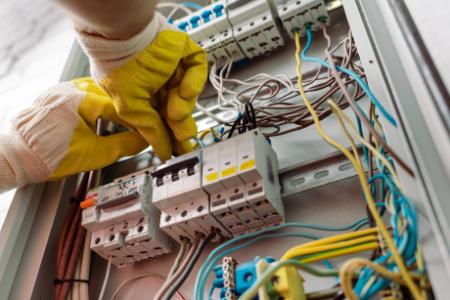
An electrical safety inspection, often provided through an Electrical Installation Condition Report (EICR), is a detailed assessment of a property’s electrical system. It examines:
- Fixed wiring and circuits
- Consumer units and fuse boards
- Sockets, switches, and fittings
- Earthing and bonding
- Signs of wear, damage, or overheating
The goal isn’t to find faults for the sake of it, but to highlight potential risks before they become dangerous.
Why Inspections Are Essential for Homeowners
Preventing Fire and Shock Risks
Faulty wiring remains one of the leading causes of electrical fires in residential properties. Loose connections, overloaded circuits, and deteriorating cables can all pose serious threats. Regular inspections help detect these issues early, reducing the risk of fire or electric shock.
Protecting Property Value
Electrical safety isn’t just about compliance — it also affects long-term property value. Buyers are increasingly cautious and often request proof that a home’s electrical system is safe and up to date. An inspection provides reassurance and avoids last-minute surprises during a sale.
Supporting Insurance Requirements
Some insurers expect properties to meet current safety standards. If an electrical fault leads to damage and the wiring is found to be unsafe or neglected, insurance claims may be affected.
Electrical Safety for Landlords and Businesses
Legal Responsibilities for Landlords
Landlords in England are legally required to ensure their properties meet electrical safety regulations. This includes arranging inspections at regular intervals and addressing any issues identified in the report.
Failing to comply can lead to fines, invalid tenancy agreements, and increased liability if an incident occurs.
Minimising Downtime for Businesses
For commercial properties, electrical failures can disrupt operations, damage equipment, and compromise safety. Routine inspections help businesses:
- Reduce unexpected breakdowns
- Maintain a safe working environment
- Meet health and safety obligations
Professional electricians, such as those at AH Electrical London, understand the specific requirements of both domestic and commercial electrical systems.
How Often Should Electrical Inspections Be Carried Out?
While exact timelines vary, general guidance includes:
- Homeowners: Every 10 years, or when buying or selling
- Rental properties: At least every 5 years
- Commercial premises: Based on usage, often more frequently
Older properties or buildings with heavy electrical use may require more regular assessments.
Warning Signs You Shouldn’t Ignore
Even between inspections, certain signs indicate the need for professional fault finding:
- Frequent circuit breaker trips
- Flickering or dimming lights
- Burning smells or discoloured sockets
- Warm switches or buzzing sounds
These symptoms suggest underlying problems that shouldn’t be delayed.
The Value of Using a Qualified Electrician
Electrical safety inspections must be carried out by competent, qualified professionals. A trained electrician doesn’t just identify issues — they explain them clearly and recommend practical solutions that suit the property.
AH Electrical London provides experienced electrical services across domestic and commercial settings, focusing on safety, compliance, and clear communication rather than unnecessary disruption.
Frequently Asked Questions
Is an electrical safety inspection disruptive?
In most cases, inspections are straightforward and cause minimal disruption. Power may be switched off briefly while checks are completed.
Do new properties still need inspections?
Yes. Even new builds can develop faults over time or suffer from installation issues that aren’t immediately visible.
What happens if issues are found?
The electrician will categorise any concerns and advise on necessary repairs or improvements to bring the system up to standard.
Are inspections required for small businesses?
Yes. Any commercial premises have a duty to maintain safe electrical systems for staff and customers.
Final Thoughts
Electrical safety inspections aren’t just a box-ticking exercise. They’re a practical way to protect lives, property, and long-term investment. In a city like London, where buildings vary widely in age and design, regular checks are one of the smartest preventative measures you can take.
If it’s been several years since your last inspection — or if you’re unsure about the condition of your wiring — seeking advice from a qualified electrician is always a sensible next step.