Many homeowners only think about their electrical system when something stops working. However, one of the most important — and often overlooked — parts of any property is the consumer unit. Sometimes called a fuse box, this is the control centre for your entire electrical system.
In London properties, especially older homes and converted buildings, outdated consumer units are a common safety concern.
What Is a Consumer Unit and Why Does It Matter?
A consumer unit distributes electricity safely around your property. It protects circuits from overloads, short circuits, and faults that could otherwise lead to electric shock or fire.
Modern consumer units are designed with advanced safety features, including Residual Current Devices (RCDs) and surge protection. Older units often lack these protections, which can significantly increase risk.
Why Older London Properties Are at Higher Risk
London’s housing stock includes many Victorian and Edwardian properties that were never designed for today’s electrical demands. Over the years, extensions, conversions, and appliance upgrades often place extra strain on outdated systems.
Common issues in older properties include:
- Old fuse-style boards instead of circuit breakers
- No RCD protection
- Poor labelling or altered wiring
- Limited capacity for modern appliances
These issues don’t always cause immediate problems, but they reduce overall safety and reliability.
Signs You May Need a Consumer Unit Upgrade
Frequent Tripping or Blown Fuses
If circuits trip regularly or fuses blow when you use everyday appliances, it may indicate that your consumer unit can’t cope with current demand.
Lack of RCD Protection
RCDs cut power instantly when they detect a fault. If your consumer unit doesn’t have RCD protection, your property is not meeting modern safety expectations.
Burning Smells or Heat
Any heat, buzzing, or burning smell coming from the consumer unit should be treated seriously. These signs suggest overheating or failing components and require immediate professional assessment.
Renovation or Property Upgrade Plans
If you’re planning renovations, adding new appliances, or converting space, your existing consumer unit may not be suitable. Upgrading beforehand helps avoid future electrical issues and delays.
Benefits of Upgrading Your Consumer Unit
Improved Electrical Safety
Modern consumer units significantly reduce the risk of electric shock and fire. They respond faster to faults and isolate problems before they escalate.
Compliance with Current Regulations
Electrical standards in the UK have evolved. A consumer unit upgrade helps ensure your property aligns with current regulations, which is particularly important for landlords and commercial properties.
Better Reliability and Capacity
Upgraded units are better equipped to handle modern electrical loads, from kitchen appliances to home offices and electric heating systems.
Increased Property Value and Buyer Confidence
Buyers are increasingly aware of electrical safety. A modern consumer unit reassures them that the property has been properly maintained.
What Happens During a Consumer Unit Upgrade?
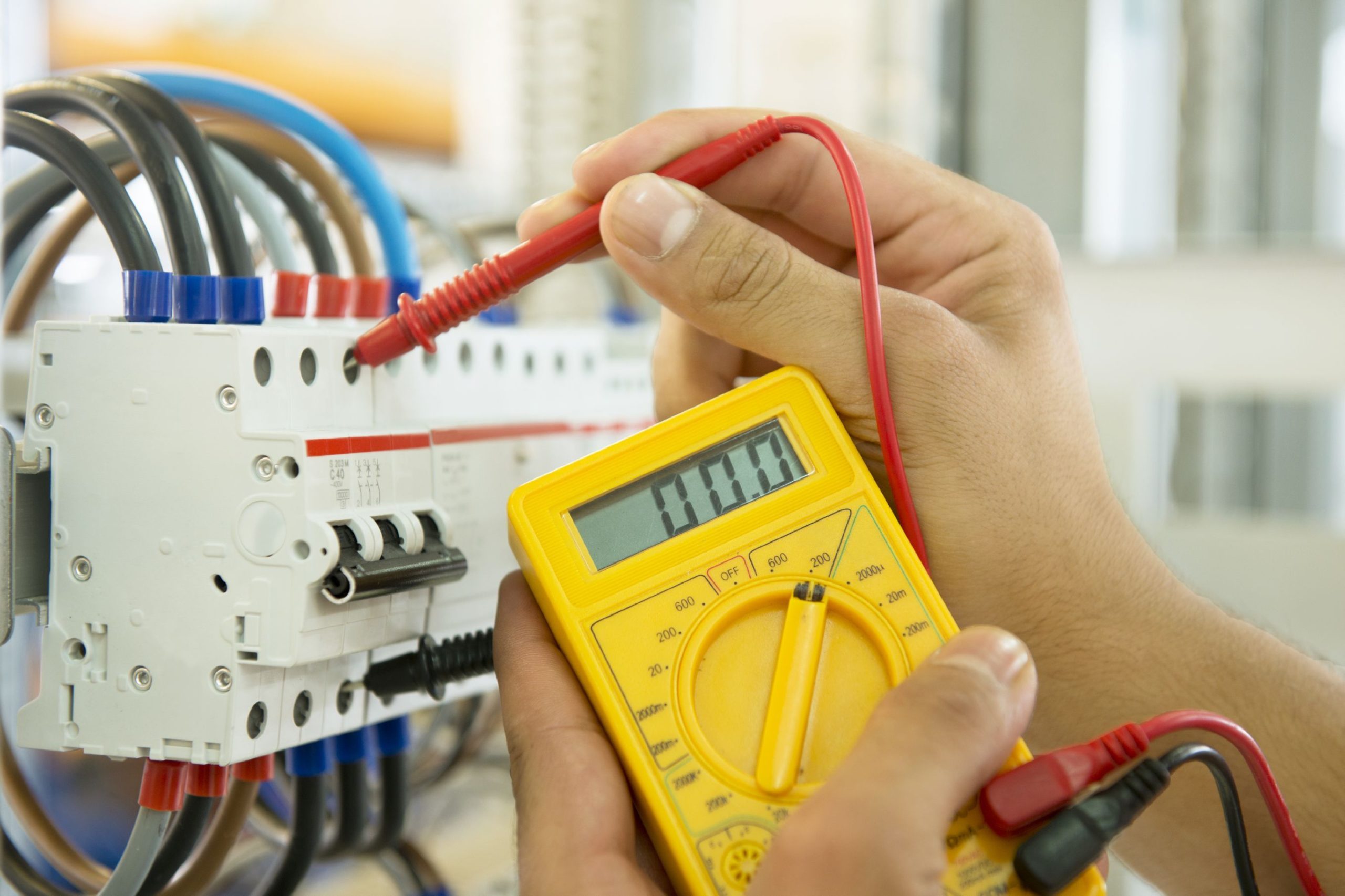
A qualified electrician will begin by assessing your existing system to ensure it’s suitable for an upgrade. The process typically includes:
- Isolating the power safely
- Replacing the old consumer unit with a modern one
- Testing all circuits thoroughly
- Ensuring clear labelling and documentation
Professional electricians, such as those at AH Electrical London, carry out this work with minimal disruption and clear communication throughout.
Is a Consumer Unit Upgrade Disruptive?
In most cases, the work can be completed within a day. Power will be off for a period, but disruption is usually manageable with some planning. A reputable electrician will explain the process clearly before starting.
Consumer Unit Upgrades for Landlords and Businesses
Landlords have a legal responsibility to ensure electrical systems are safe. If an Electrical Installation Condition Report (EICR) highlights issues with the consumer unit, an upgrade may be required to remain compliant.
For businesses, a reliable and safe electrical system helps avoid downtime, protects equipment, and supports health and safety obligations.
How to Reduce Electrical Risks Going Forward
Upgrading the consumer unit is a major step, but ongoing maintenance still matters. Simple actions include:
- Scheduling regular electrical safety inspections
- Addressing minor faults early
- Avoiding overloaded circuits
- Using qualified electricians for all work
Many serious electrical problems begin with small, avoidable issues.
Frequently Asked Questions
Is a consumer unit upgrade legally required?
Not always, but it may be necessary if your system is unsafe or fails an inspection.
Can I upgrade just part of my system?
In some cases, yes. A professional electrician can advise on the most appropriate solution.
Will upgrading fix all electrical issues?
An upgrade improves safety and capacity, but existing wiring may also need attention if faults are found.
Is a consumer unit the same as a fuse box?
Yes. “Consumer unit” is the modern term for what many people still call a fuse box.
Final Thoughts
A consumer unit upgrade isn’t just about compliance — it’s about protecting people, property, and peace of mind. In London homes and businesses, where electrical systems often carry heavy demand, modern protection is essential.
If your consumer unit is outdated or you’re unsure about its condition, professional advice can help you make an informed and practical decision.