
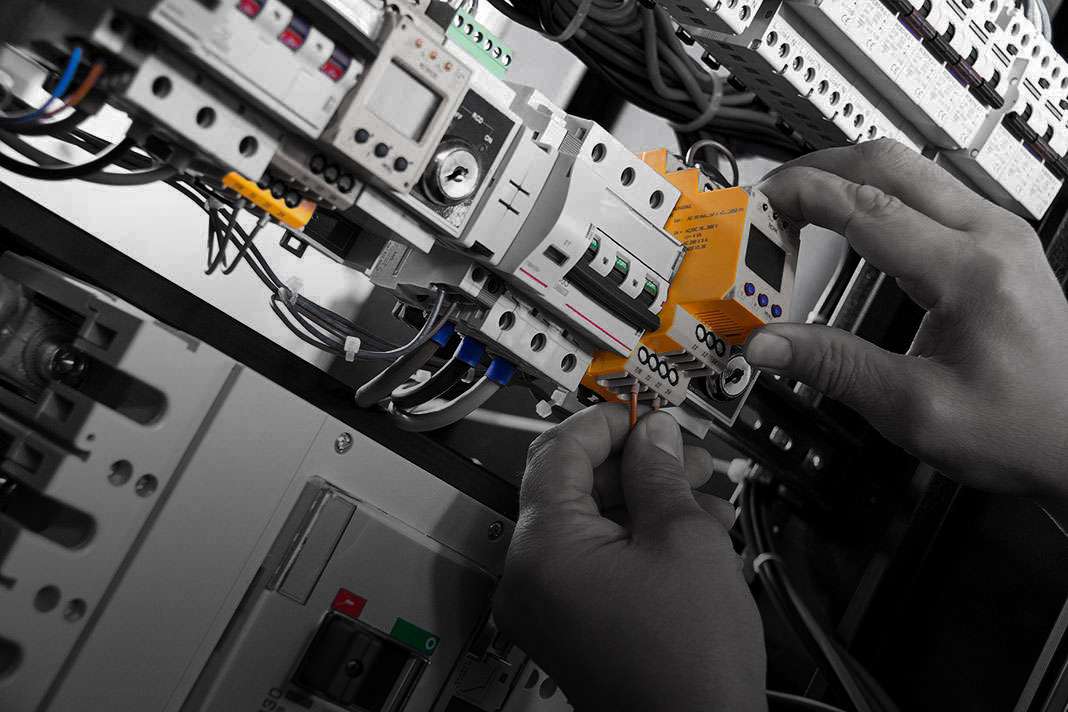
Electrical systems are the backbone of modern homes, yet they are often overlooked until problems appear. In London, older properties are particularly prone to outdated wiring that can compromise safety, efficiency, and compliance. Full house rewiring is a major project, but in many cases, it is essential to protect both people and property.
Knowing when a full rewiring is necessary helps homeowners, landlords, and property managers make informed decisions.
Why Rewiring Matters
Electrical wiring deteriorates over time. Insulation breaks down, wires corrode, and older systems struggle to handle modern electrical loads such as:
- Multiple kitchen appliances
- Home offices with computers and routers
- Electric heating and hot water systems
- Smart home devices
Without a reliable system, minor faults can escalate into serious hazards, including fire or electric shock.
Common Signs That Rewiring Is Needed
Frequent Circuit Breaker Trips
Circuit breakers protect your home from overloads. If they trip often, even when electrical use is normal, it may indicate wiring issues that require full assessment.
Flickering or Dimming Lights
Persistent flickering lights often signal loose connections or ageing wiring. In older London homes, this is a common sign that parts of the system may be unsafe.
Burning Smells or Discoloured Sockets
Any signs of heat, smoke, or scorch marks should never be ignored. These are indicators of electrical arcing or overheating wires, and they demand immediate attention.
Outdated Fuse Boxes or Consumer Units
Homes with old fuse boxes or consumer units lacking modern safety features, such as RCD protection, are high-risk. Rewiring allows installation of a modern consumer unit, improving safety and compliance.
Home Renovations or Extensions
Adding new rooms, converting lofts, or installing high-load appliances often exposes the limits of an old electrical system. Full rewiring ensures the entire property can safely handle new electrical demands.
Benefits of Full House Rewiring
Improved Safety
Modern wiring and components significantly reduce the risk of fire and electric shock. Full rewiring replaces old, damaged, or inadequate cables, improving overall safety.
Compliance with Current Regulations
UK electrical standards have evolved over the years. Rewiring ensures your property complies with current building regulations and safety requirements, which is especially important for landlords.
Reliability and Efficiency
Upgraded wiring supports modern electrical demands, reduces power interruptions, and enables the installation of additional sockets, lighting, and smart home systems.
Increased Property Value
For homeowners looking to sell, a fully rewired property provides reassurance to buyers. It shows the electrical system is safe, reliable, and up to modern standards.
The Rewiring Process
Full house rewiring involves several stages:
- Assessment – A qualified electrician inspects the property to plan the rewiring work.
- Preparation – Power is safely isolated, and furniture or flooring may be temporarily moved.
- Wiring Replacement – Old cables are removed and replaced with modern copper wiring.
- Consumer Unit Upgrade – Often includes installing a modern fuse box with RCD protection.
- Testing and Certification – Every circuit is tested, and an Electrical Installation Certificate (EIC) is issued.
Professional electricians, such as AH Electrical London, carry out this work efficiently, keeping disruption to a minimum.
Rewiring for Landlords
Landlords have a legal duty to maintain safe electrical systems. Full rewiring may be required to pass an Electrical Installation Condition Report (EICR). Ensuring safety not only protects tenants but also prevents legal issues and potential fines.
Practical Tips Before Rewiring
- Plan the work during a period when temporary disruption is manageable
- Discuss socket and lighting placement with the electrician
- Consider future electrical needs, such as EV charging or home offices
- Hire a qualified, insured electrician with London experience
Frequently Asked Questions
How long does full house rewiring take?
Typically, 1–2 weeks depending on property size and complexity.
Can rewiring be done in stages?
Yes, some electricians can rewire in sections, but full rewiring is safest for older properties.
Will rewiring require moving furniture?
Some furniture may need to be temporarily relocated, especially near walls and ceilings.
Is rewiring noisy or disruptive?
There can be some noise, but professionals work to minimise disruption and complete the project efficiently.
Final Thoughts
Full house rewiring is a significant investment, but it ensures safety, reliability, and compliance. In London homes, particularly older properties, upgrading wiring is often the most effective way to prevent emergencies and support modern electrical demands.
If your home shows signs of electrical ageing or you’re planning major upgrades, consulting a qualified electrician is the safest and most practical step.